Hood River Area Trail Stewards: The Hands Behind the Trails
Ride into Post Canyon on any given afternoon, and it’s easy to think the trails have always been this way. Smooth corners. Well-shaped berms. Features that feel like they grew out of the forest itself.
But trails like these don’t appear on their own.
Behind them is a dedicated army of volunteers, an array of shovels and mcleods, and a shared belief that the forest is something worth caring for. That belief lives inside an organization called Hood River Area Trail Stewards, better known around town as HRATS (pronounced H-RATS).
Their work is simple in concept and enormous in practice: keep the trails open, sustainable, and welcoming for everyone who wants to spend time in the woods.
Powered by Volunteers
HRATS is a entirely volunteer powered.
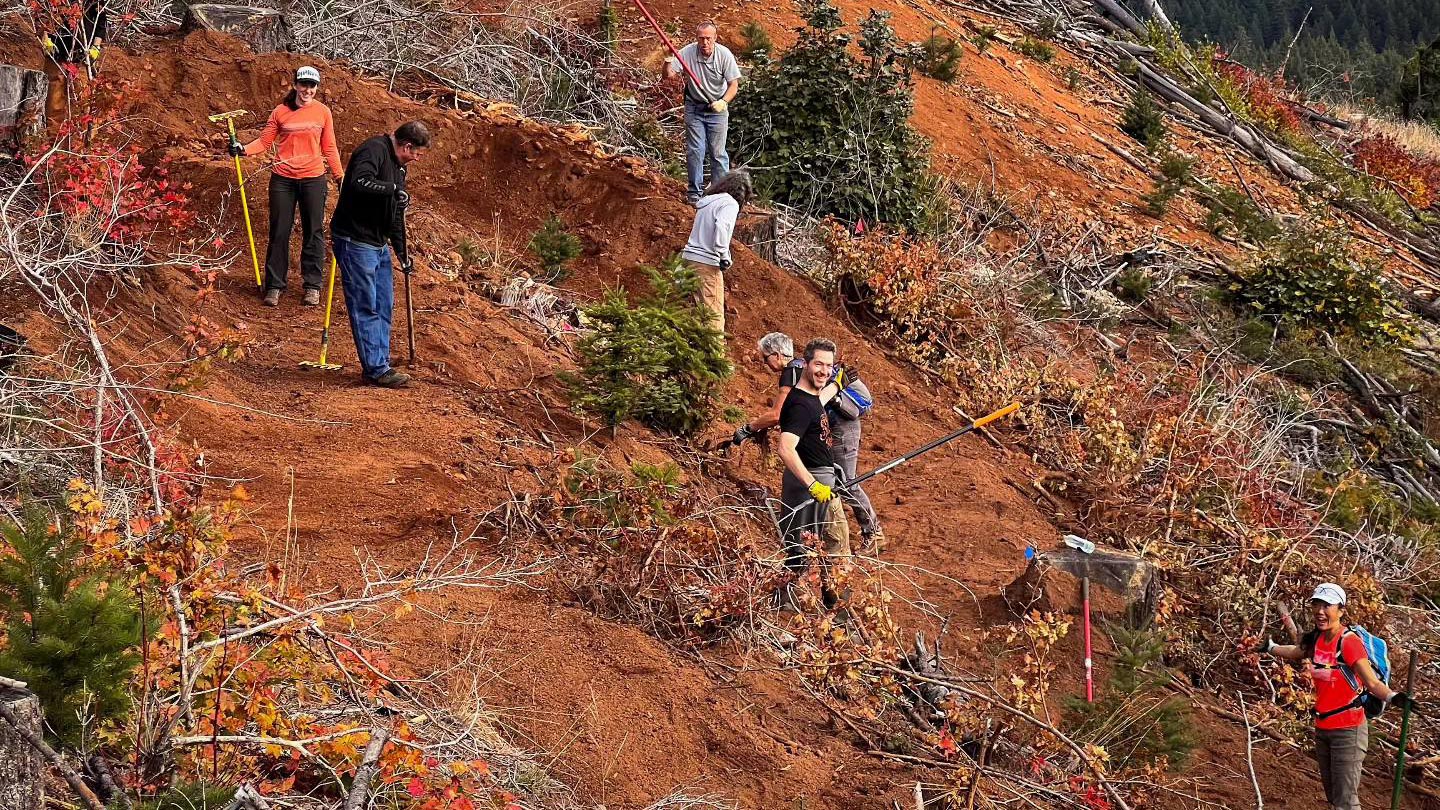
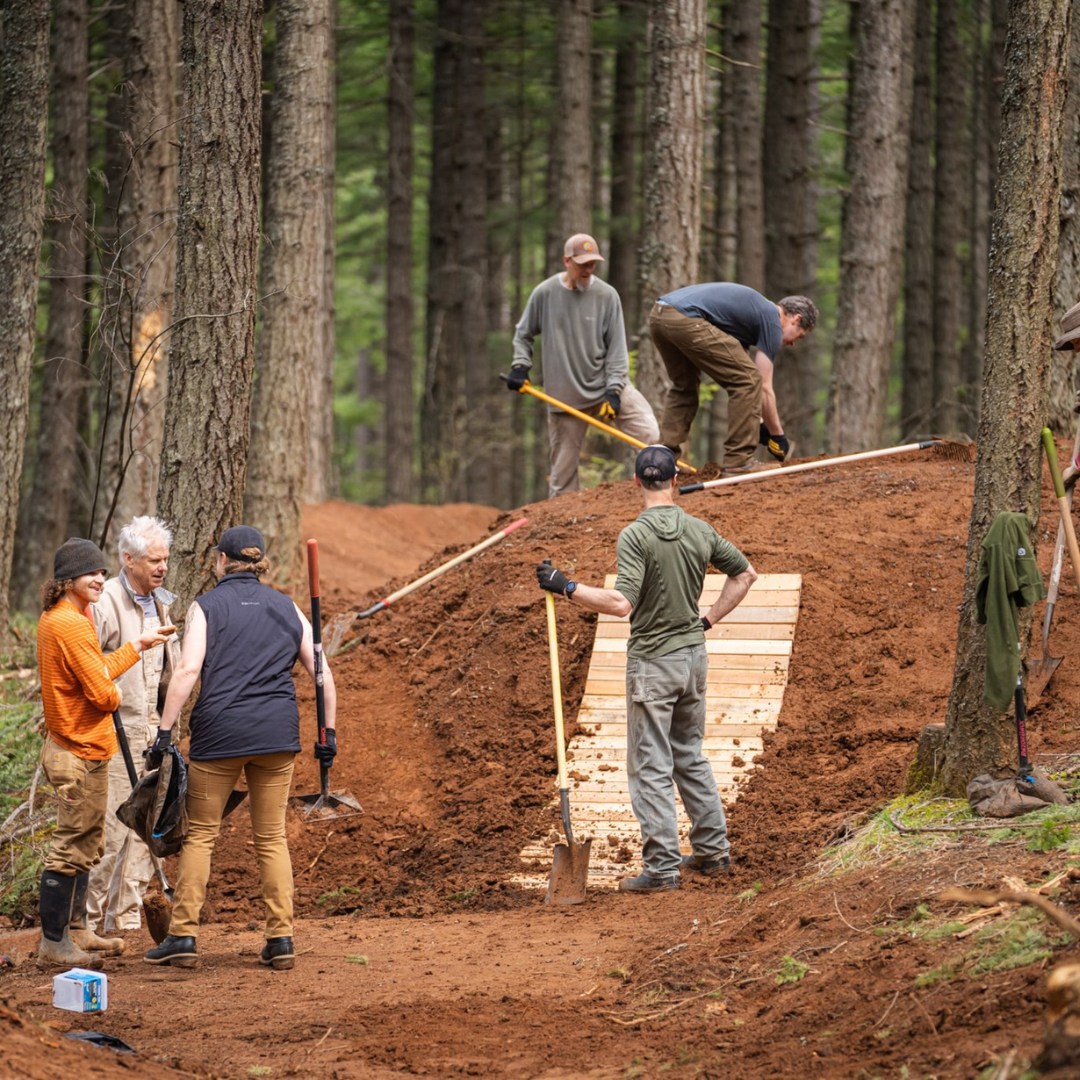
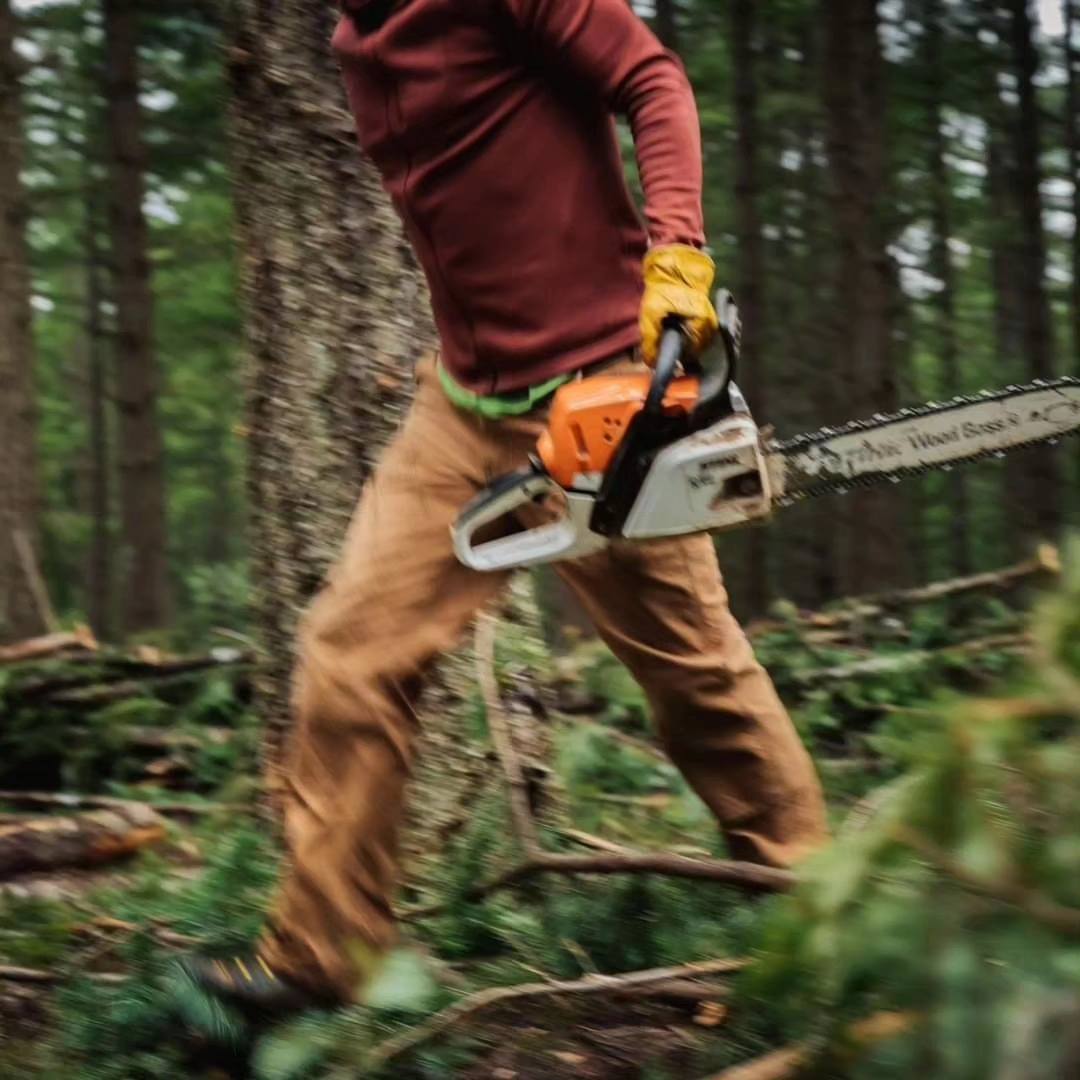
A twelve-member volunteer board of directors guides the organization, and the work is carried out through the community. Volunteers brush trails, rebuild features, clear winter storm damage, and host dig days where dozens of people show up to move dirt together.
Some years, the number of volunteers runs into the high hundreds. More than 3,000 people receive HRATS emails about trail work, with smaller groups stepping in to focus on specific zones across the Gorge.
The partnership extends beyond volunteers as well. HRATS works closely with Hood River County, which manages the Post Canyon Forest and Trails. Together, they coordinate trail maintenance, planning, and grant funding to keep the system running smoothly.
That collaboration reflects something bigger about Hood River itself: people care deeply about this forest, and they’re willing to work together to take care of it.
From Storm Damage to Stewardship
The organization itself grew out of a moment when the forest needed help.
In 2012, a massive ice storm tore through Post Canyon, leaving trails buried under fallen trees and debris. Riders, hikers, and local trail advocates quickly realized that rebuilding the system would require a more organized effort.
HRATS formed soon after, bringing the community together to restore damaged trails and work alongside the county to maintain them long-term.
Since then, the relationship has grown stronger. New trails have been built. Maintenance systems have improved. And the forest has continued to evolve as both a working timber landscape and a recreational playground.
Trails for Everyone
The trails in Post Canyon are known for mountain biking, but the vision behind HRATS reaches much wider.
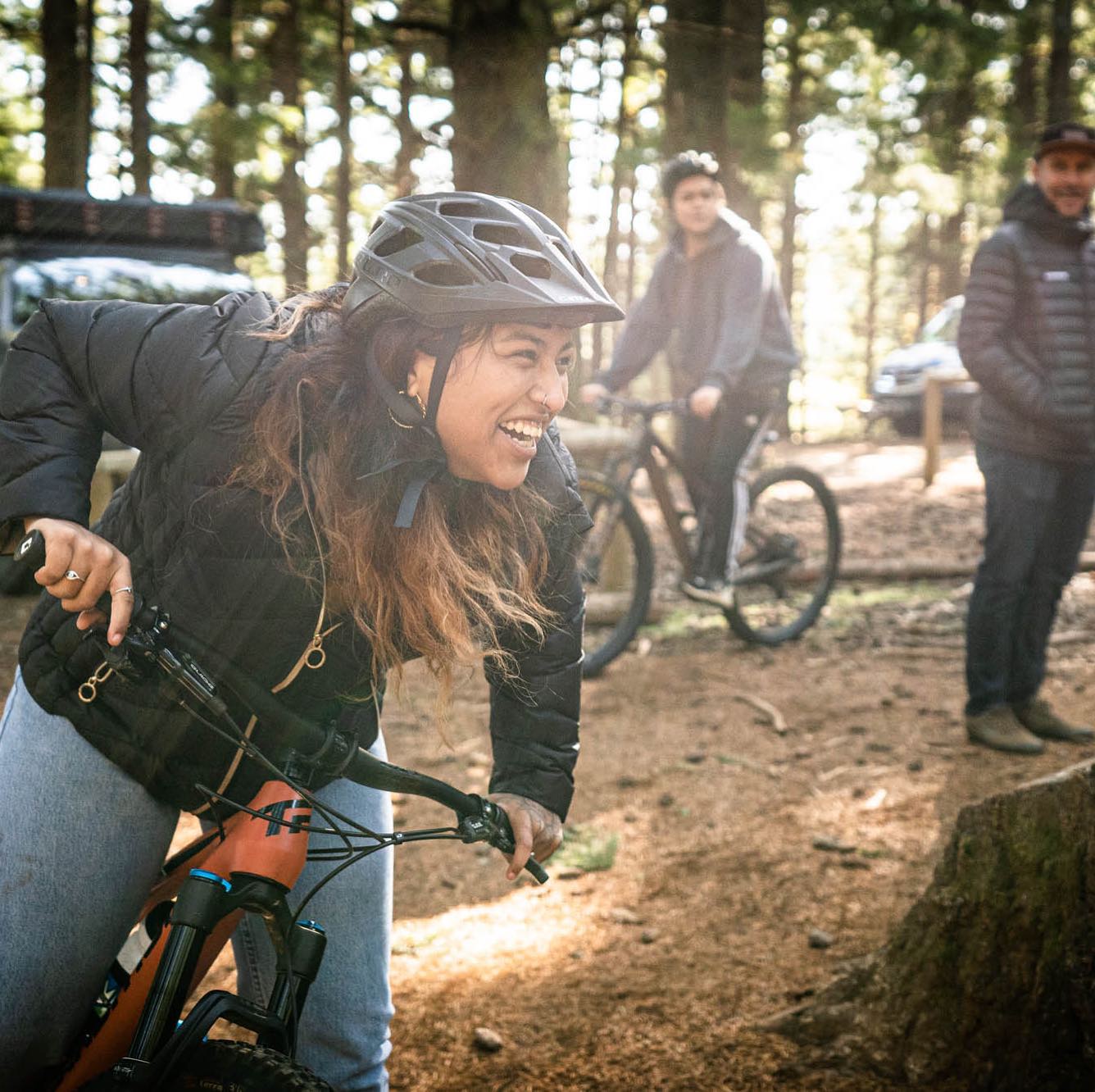
The forest also welcomes hikers, runners, equestrians, motorcyclists, mountain bikers, and adaptive athletes who use specialized equipment to explore the woods. Trail design increasingly reflects that goal, with wider corridors and thoughtful planning to accommodate different users.
Board member Megan Barton, HRATS secretary, sees that inclusivity is essential.
For her, the trails belong not just to one sport, but to the whole landscape.
They’re for the wildlife that moves through the forest.
For the trees that surround the singletrack.
And for every person who finds their way into the woods.
Growing the Community
One of HRATS’ most visible efforts takes place at a small trail zone known as Family Man.
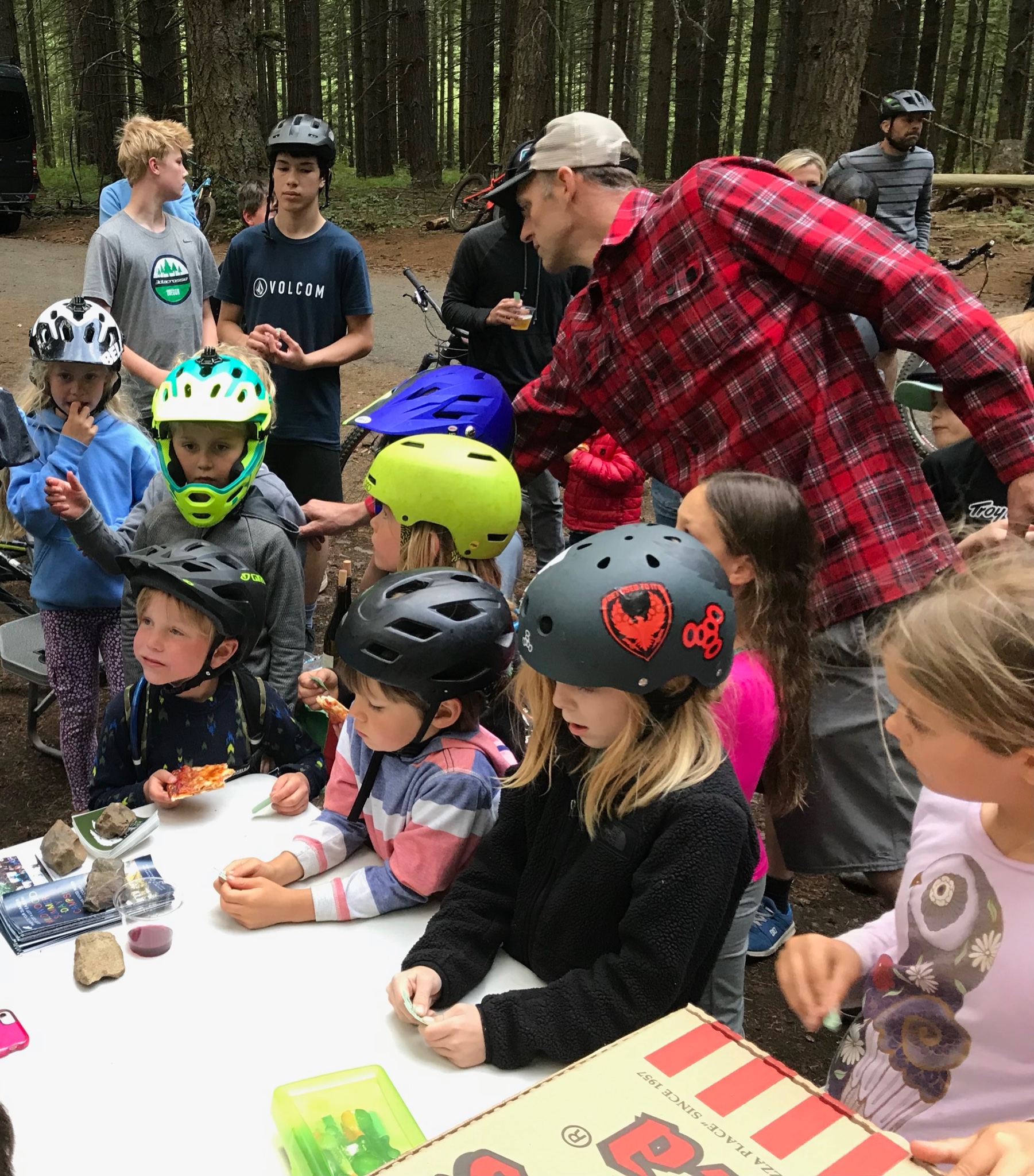
Built as a beginner and family-friendly riding area, it’s where many riders first discover mountain biking. Kids on strider bikes roll through the dirt loops and play in the woods while parents watch nearby. More experienced riders session the jumps and features just a few yards away.
Throughout the summer, HRATS hosts weekly Families at Family Man gatherings, where kids ride, parents connect, and the community shares pizza and trail time together.
More recently, the organization expanded the idea with Familias at Family Man, led by board member Jaime Rivera. The program focuses on reaching deeper into the Gorge’s Hispanic community, helping introduce new riders and families to the trails, and creating space for everyone to feel welcome in the forest.
The goal isn’t just participation. It’s belonging.
A Trail System That Grew Up
For longtime volunteers like Telford Byers, the transformation of Post Canyon is hard to miss.
Byers has been riding here since the early 1990s, back when the trail system was little more than a handful of rough routes through the woods. Riders would climb up Cardiac Hill, descend what was once known as Shooters (now Seven Streams), and pedal the logging and county roads to connect everything together.
The Family Man skills area didn’t exist yet. In fact, much of the modern trail network hadn’t even been imagined.
Today, the system stretches across miles of singletrack. Berms, jumps, flow trails, technical descents, and beginner zones weave through the forest in every direction.
To Byers, HRATS has been a game-changer in making that transformation possible.
But the reason he volunteers is simpler.
He likes being outside.
He likes contributing.
And someday his grandkids will ride these trails too.
The Work You Don’t See
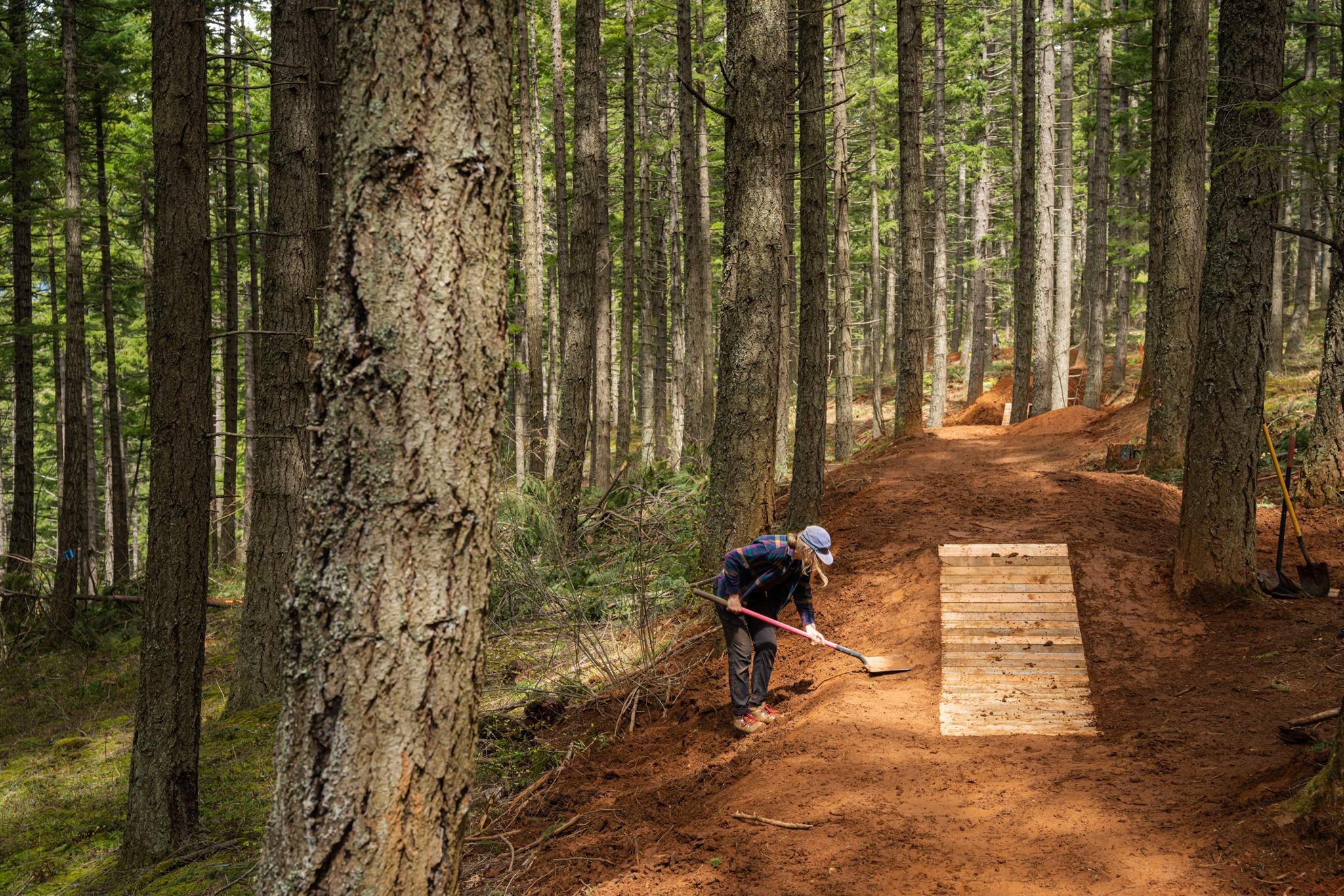
Trail work often happens quietly.
After a winter windstorm, volunteers head out with saws and tools to clear downed trees and branches. In the spring, brushing crews trim back overgrown vegetation. When a feature breaks or a berm erodes, someone shows up to rebuild it.
Most riders never see that work happen.
But every smooth corner and open trail corridor is the result of someone’s time and effort.
As Rachel Crowder, HRATS vice president, likes to remind people, trails don’t magically maintain themselves. There are no trail fairies; it takes a community willing to show up.
Why It Matters
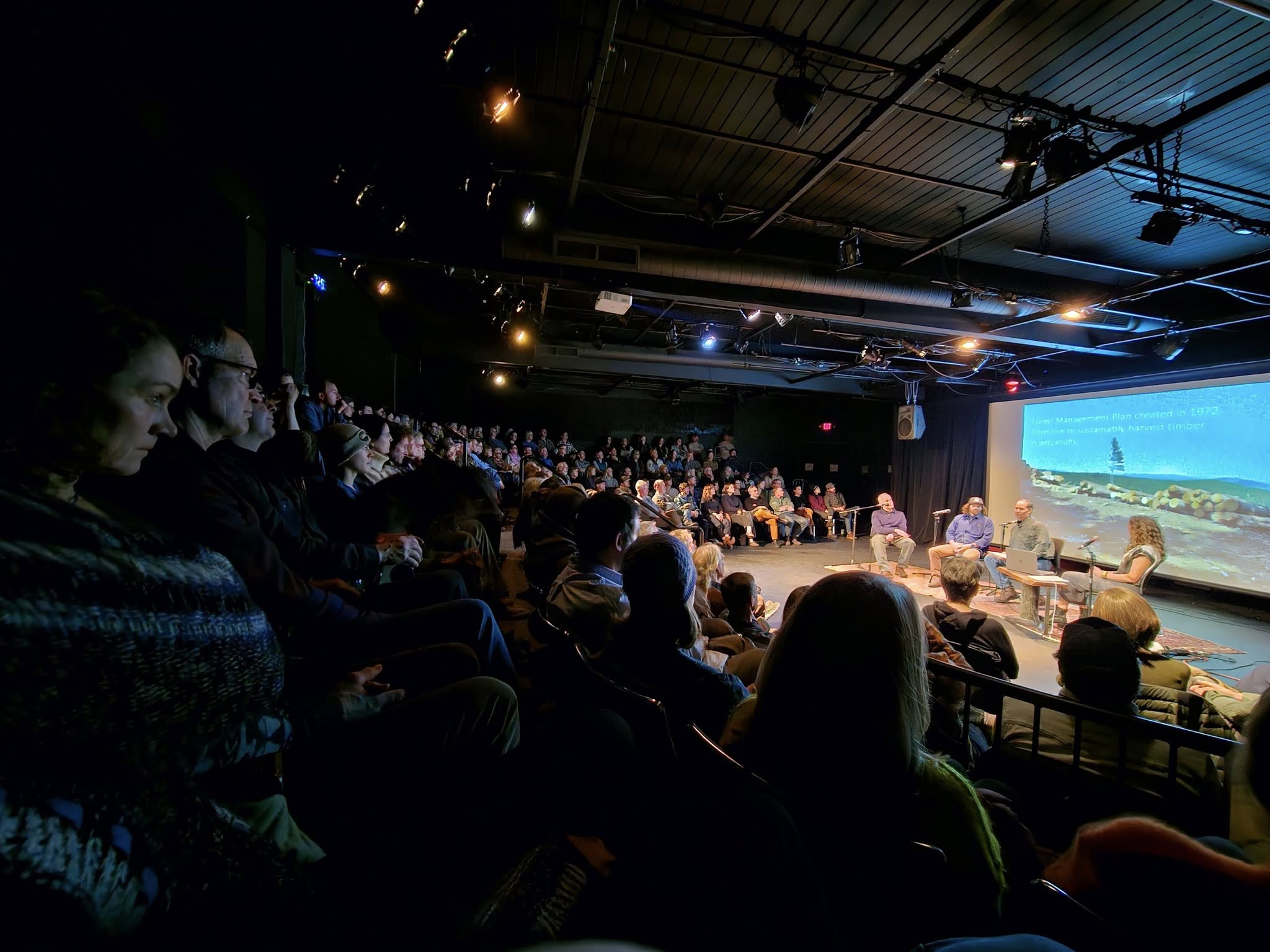
For many in Hood River, the trails are more than recreation. They’re part of daily life. A place to ride after work. A place to bring kids on a weekend afternoon. A place to breathe a little deeper under tall trees.
HRATS helps keep that experience possible.
Through partnerships with the county.
Through volunteers who care about the forest.
Through programs that invite new people onto the trails.
The work is steady and often invisible. But its impact runs through every mile of trail.
Because when a community takes care of the places it loves, those places have a way of taking care of the community in return.
Learn more about HRATS and follow their feed at: