
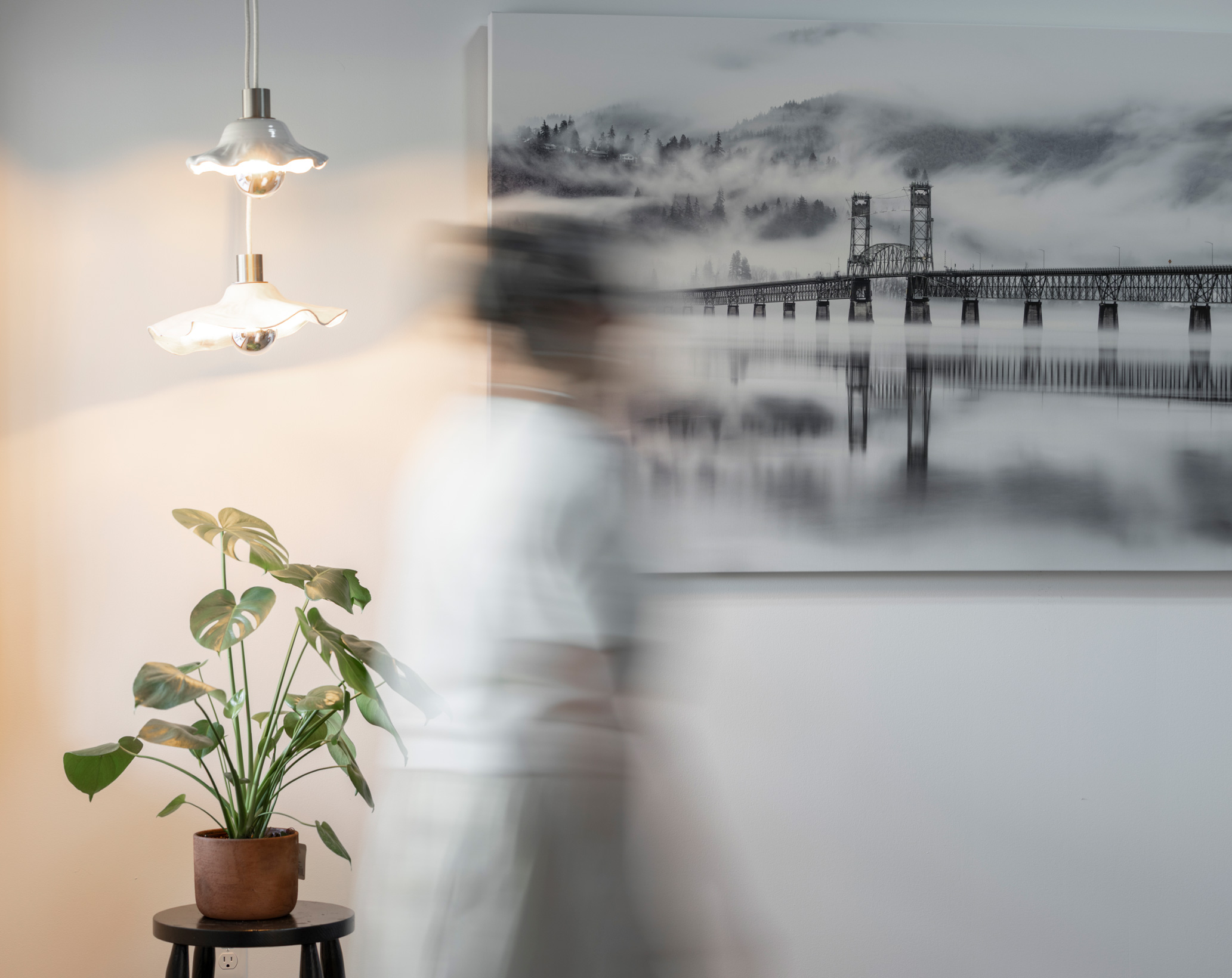
Wind sports and outdoor adventure have long drawn people to Hood River, but another current has been quietly gathering strength.
Across town, artists, designers, fabricators, and craftspeople have opened studios, galleries, and classrooms. Some occupy polished storefronts; others are working spaces where the clay is still wet, and the sawdust has not settled.
The appeal is not only what is on display, but the chance to meet the people behind the work, learn how something was made, and maybe even try your hand at one of the processes yourself.
New Spaces New Energy
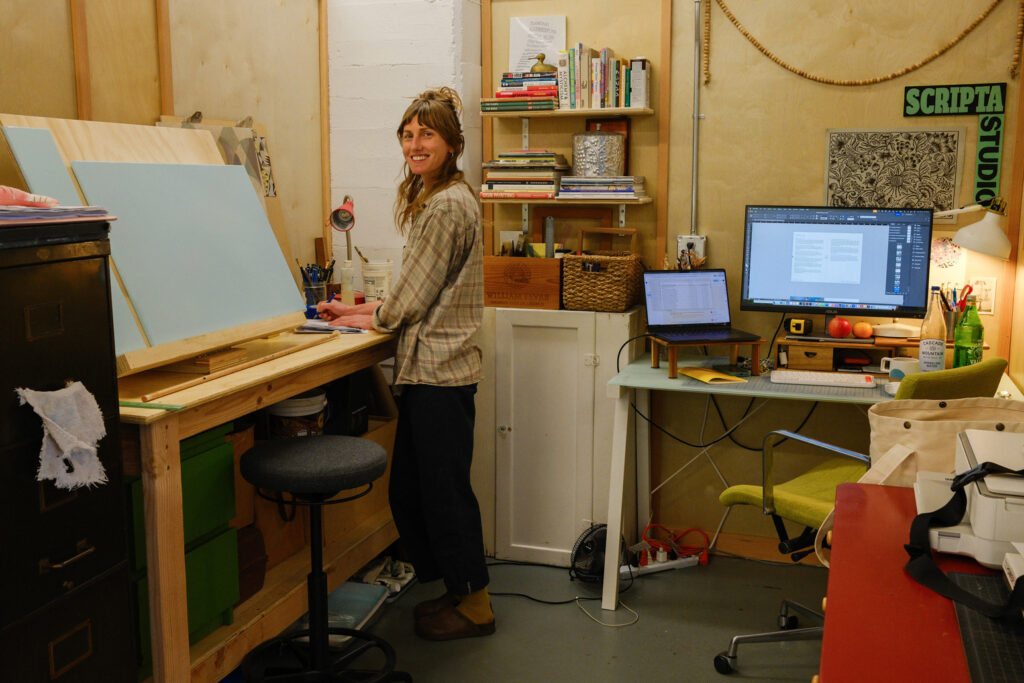
Opened in February 2026, Industrial Street Studios has given Hood River’s artists something they have long needed: room to work together. The collectively run hub includes individual studios, a gallery, shared work areas, and classroom space.
This is an active workplace, not a drop-in retail gallery. Workshops, exhibitions, First Friday events, and arranged tours offer a look inside – and a chance to see what happens when artists working across different disciplines share ideas, tools, and momentum.
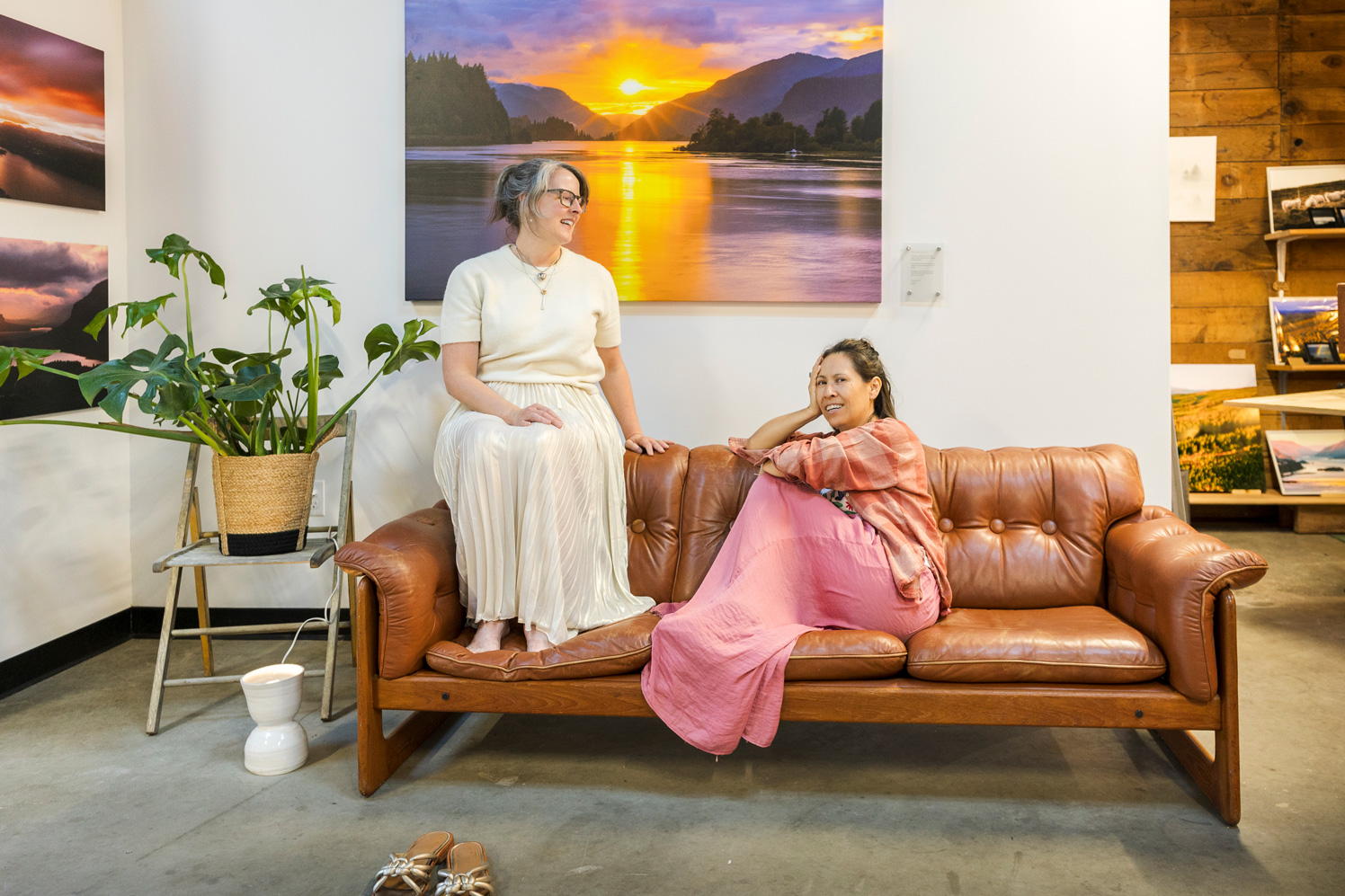
Nearby, Orolume Gallery approaches the Gorge through photography. Opened by Paloma Ayala in April 2026, the gallery features landscape images shaped by the region’s changing light, weather, and seasons. Along with fine-art prints and Pacific Northwest goods, Orolume offers photography workshops, artist talks, and portrait sessions.
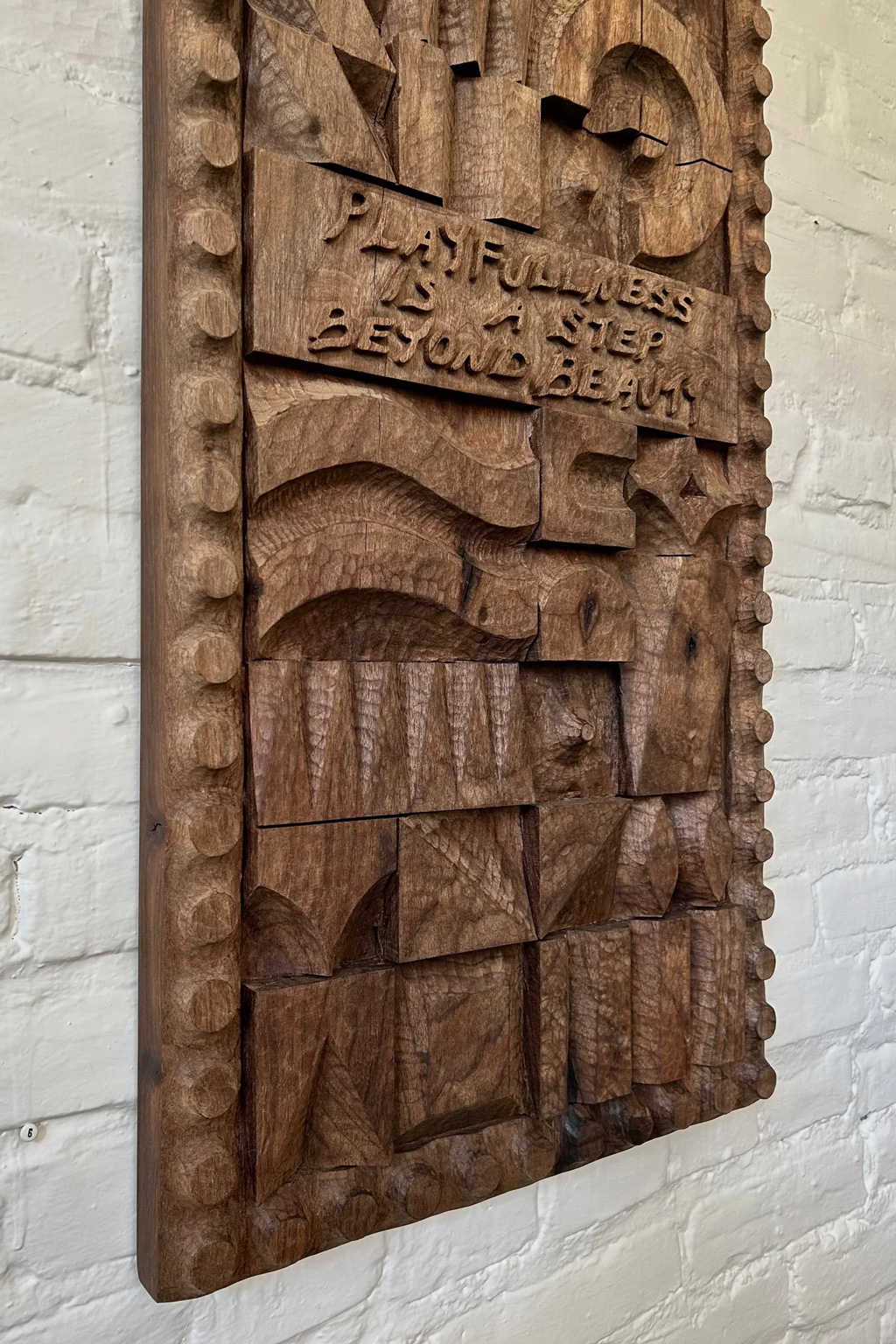
At Phloem Studio Gallery, handcrafted furniture is presented alongside art, textiles, books, and thoughtfully made objects. Founded by furniture designer Benjamin Klebba, the space invites a closer look at how materials, proportion, and craftsmanship shape everyday objects. Sit in a chair, study the joinery, and reconsider what furniture can bring to a room.
Try the Process Yourself
Looking at art is one thing. Attempting to make it often brings a useful dose of humility.
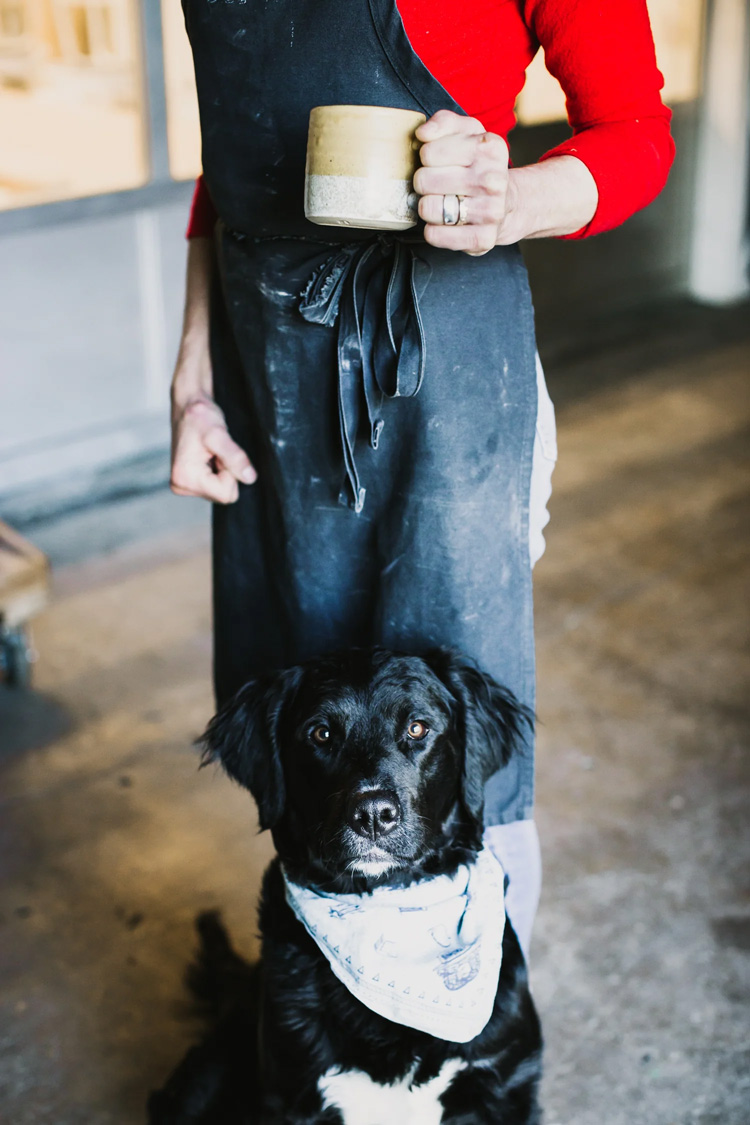
The Clay Commons welcomes beginners with one-time pottery experiences, wheel throwing, handbuilding, workshops, and private group classes. Everything is provided, from clay and tools to wheels, glazes, and kilns. No six-week commitment or prior experience is required.
The goal isn’t to make a perfect bowl. Rather, the experience of feeling the clay resist, wobble, and eventually cooperate is enough.
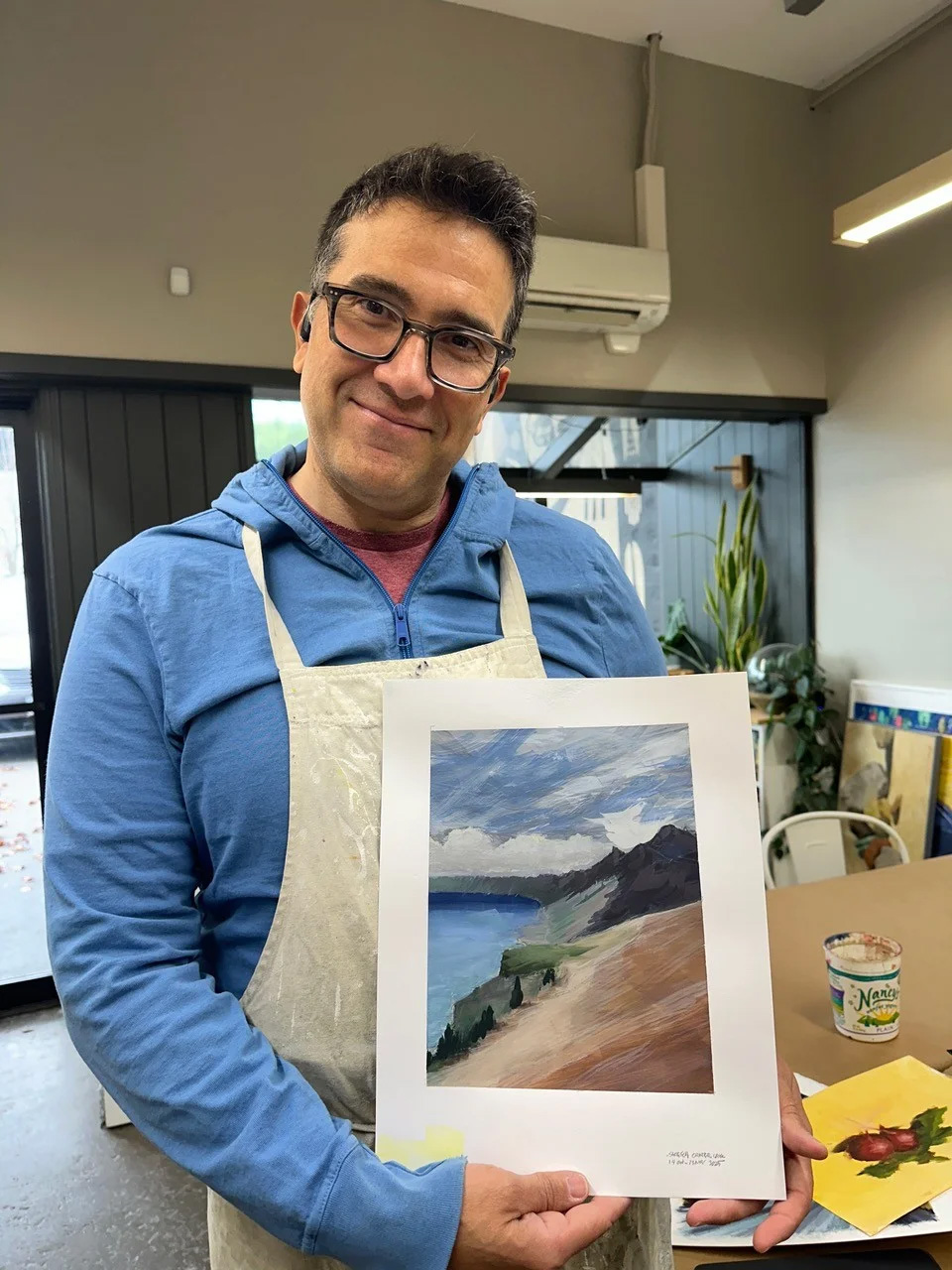
Tokki Art Supply provides another way in. The downtown shop is filled with paints, papers, sketchbooks, brushes, pens, and materials that make starting something feel entirely possible. Owner Janet O’Sullivan spent more than a decade fabricating miniatures for stop-motion productions, including work with LAIKA Studios. That combination of precision, imagination, and practical problem-solving now informs Tokki’s artist-led classes, camps, and workshops. Stop in for supplies, sign up for a session, or follow your curiosity through the shelves.
Meet the Artists Behind the Work
Hood River’s newest studios join a community built by artists who have spent years creating places to show and sell work locally.
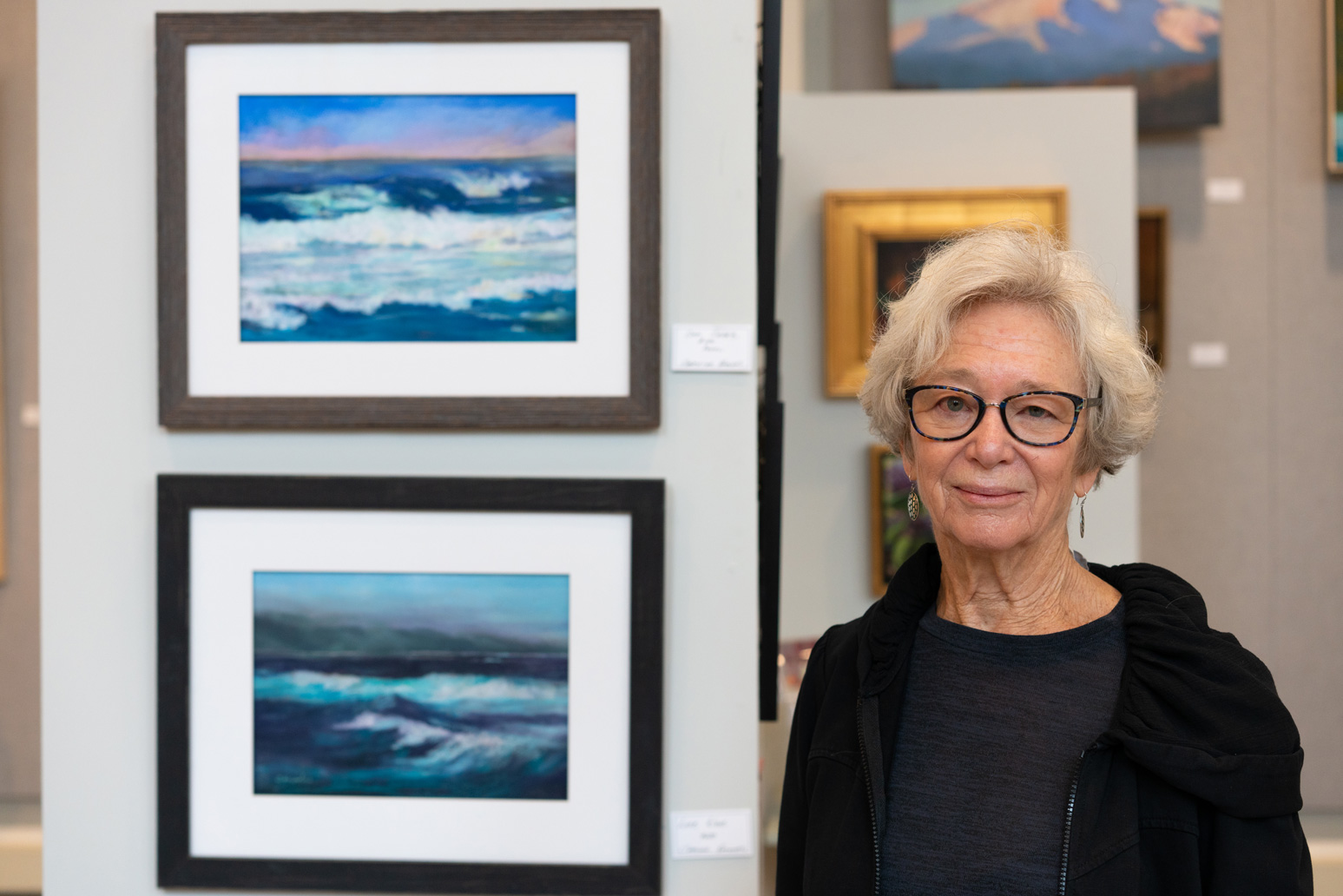
Inside the historic Butler Bank building, Gallery 301 presents fine art and craft from an artist-owned collective. Exhibitions span painting, photography, sculpture, glass, ceramics, textiles, and mixed media, offering a broad look at how regional artists interpret the Gorge.
Because artists operate the gallery, conversations often move naturally from the finished piece to the process behind it. You don’t need to arrive knowing the right gallery language. Asking about a medium or technique is a perfect place to begin.
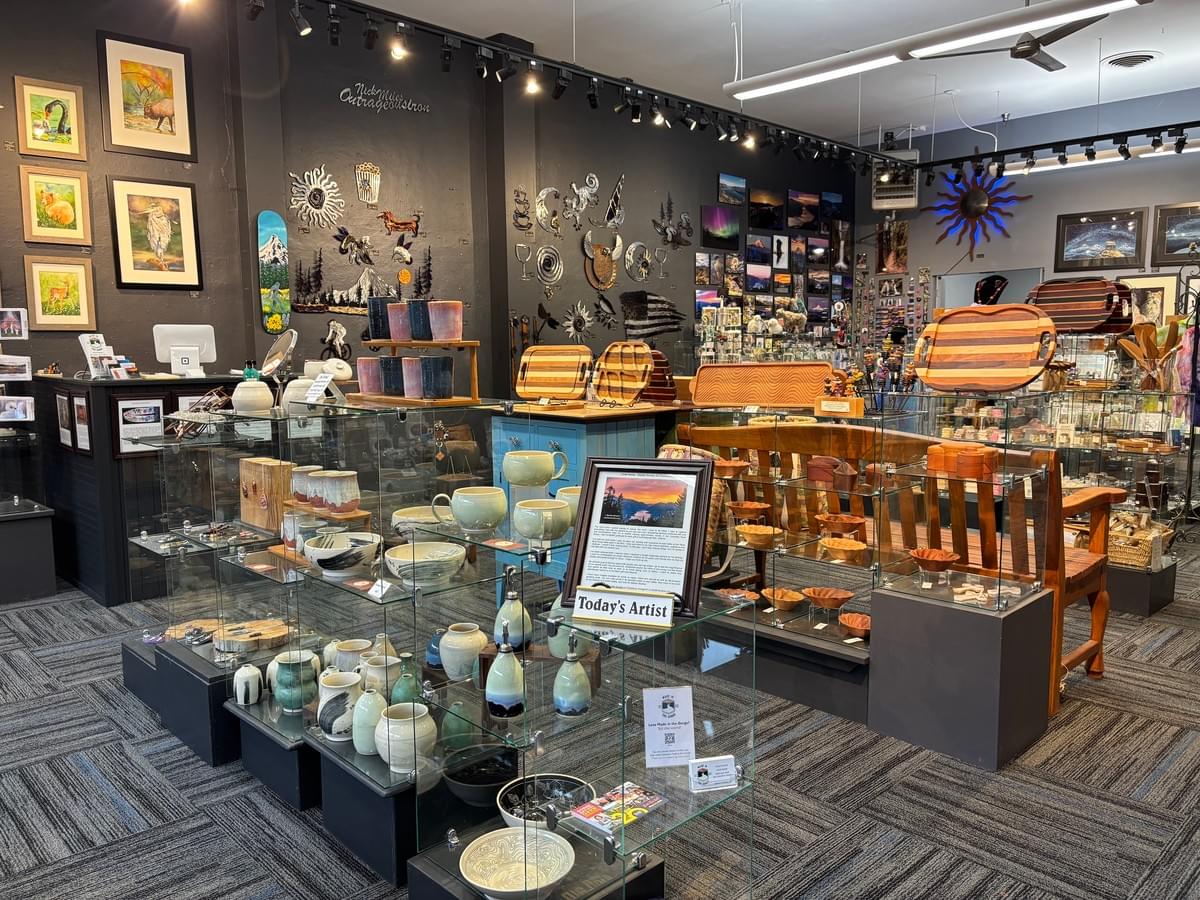
A few blocks away, Made in the Gorge has represented local makers for more than 25 years. The artist-owned cooperative carries photography, watercolor, jewelry, metalwork, fiber art, pottery, and handcrafted wood pieces at a range of price points.
An owner-artist staffs the gallery each day, so a purchase may come with the story of the material, technique, or place that inspired it.
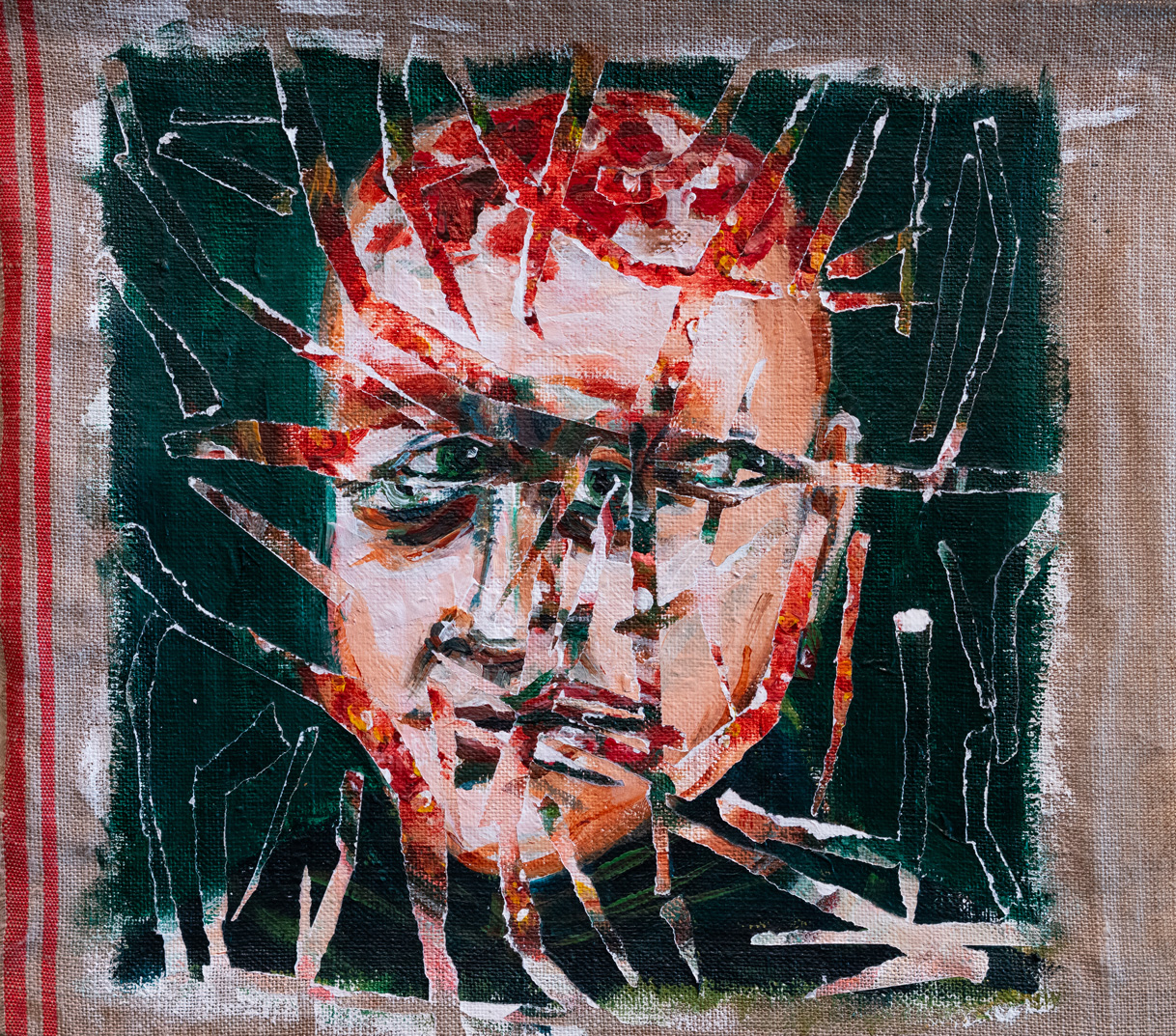
Columbia Center for the Arts connects these individual practices to the wider community. The nonprofit center houses a rotating gallery, theater, and classrooms, with programming that includes visual art, film, music, performances, lectures, and workshops.
Check the calendar before visiting. An exhibition, artist talk, or evening performance may become the reason to build a trip around the arts in the first place.
The Other Current
Hood River’s maker culture moves between shared studios, downtown galleries, woodshops, classrooms, and stores, strengthened by artists who exchange ideas across disciplines.
You can see it in a salvaged-wood bowl, a photograph of changing light, or a clay pot with character fresh from the kiln. The same terrain that challenges athletes also fuels imagination. Wind and water may remain Hood River’s most visible forces, but this creative current is shaping the town and defining the vibe.